Today's best fishing in Tacoma: 7 AM to 10 AM
This page is full of real data to show you what you can see with ReelCaster in Tacoma.
Today's best fishing in Tacoma: 7 AM to 10 AM
Updated today
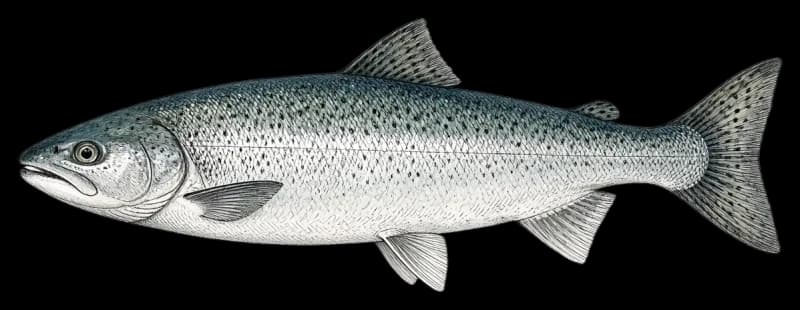
What's biting now near Tacoma: Coho
Coho fishing at Point Defiance Park Fishing Pier (Les Davis area) looks good today.
ReelCaster scores every hour at Point Defiance Park Fishing Pier (Les Davis area) from 0 to 100, reading the tide, current, wind and weather for Coho. The higher the score, the better your odds. Green means go.
Pro is free for 7 days: all 14 days, full catch reports and text alerts for Point Defiance Park Fishing Pier (Les Davis area).
 Start free trial
Each number is today's best score out of 100 at that spot. The card walks the most-fished spots.
Tacoma report
2026-10-18Chinook and Coho are the story around Tacoma this week
The next 14 days in Tacoma
Data from: ECMWF + GFS + BlueCasterTwo weeks ahead
Most forecasts stop at the weekend. This one runs a full 14 days, so you can pick the day before you book the time off.
One number, out of 100
The best score anything in Tacoma reaches that day. Green is good, amber is fair, red is slow, and you can read it from across the room.
17,808 scores behind it
53 spots, every hour of every day, out to 14. This row is the best of them.
Hour by hour today at Point Defiance Park Fishing Pier (Les Davis area)
All times PDTOne real spot
A city has no tide or wind of its own, so this is Point Defiance Park Fishing Pier (Les Davis area), the most fished spot in Tacoma, scored for Coho Salmon.
Six readings, one clock
Tide, current, wind, sea, air and sky, all lined up on the same hour, so you can see what is actually driving the score.
Currents, not just tides
Modelled flow for the water off Tacoma, so you can see slack coming before you leave the dock.
The spots people actually fish in Tacoma
47 more on the mapA year of catch reports
The order here is how much each mark actually gets fished, not today's guess. The busiest water in Tacoma comes first.
Today's number too
Beside each name is the best score that spot reaches today, so you can weigh a proven mark against a good forecast.
Every spot has a page
Its own chart, its own species and its own rules, worked out the same way as everything above.
- 87Point Defiance Park Fishing Pier (Les Davis area)Known spotBest 7 AM–10 AM · Early flood · Light ripple
- 87Les Davis PierKnown spotBest 7 AM–10 AM · Mid flood · Light ripple
- 86Fox Island Fishing PierKnown spotBest 7 AM–10 AM · Mid flood · Flat
- 83Commencement BayBest 7 AM–10 AM · Mid flood · Light ripple · Mud bottom
- 88Thompson SplitBest 7 AM–10 AM · Mid flood · Flat · Sand flat
- 88Eagle IslandBest 7 AM–10 AM · Mid flood · Flat · Rock reef
Every spot we score in Tacoma
Bathymetry: NONNA-10 + NRCanReal charted seabed
Depth soundings, not a stock map. The banks, reefs and drop-offs are where you can see them.
53 spots, all scored
Every spot we cover around Tacoma, each one carrying its own number for today.
Point at any of them
The name, how busy a mark it is, and the tide, sea and seabed at its best hour.
Create custom spots
Our full model on your custom private spots.
- Drop a pinAnywhere on the water. The ledge you found, the bay nobody talks about.
- Name itYour name for it, not ours. It stays private to your account.
- Choose speciesPick what you fish there, and it starts scoring from the next run.
What you can keep in Tacoma today
- Chinook SalmonKeep in places2 a day · min 22"Open at 31 of 48 spots we cover
- Coho SalmonKeep in places2 a dayOpen at 52 of 53 spots we cover
- Chum salmonKeep in places2 a dayOpen at 14 of 19 spots we cover
- SurfperchKeep10 a dayOpen at all 10 spots we cover
- HerringKeepOpen at all 8 spots we cover
- Squid - OpalKeepOpen at all 7 spots we cover
- CabezonKeep1 a day · min 18"Open at all 5 spots we cover
- Pink salmonKeep2 a dayOpen at all 8 spots we cover
- HalibutClosedShut at all 44 spots we cover
- LingcodClosedShut at all 46 spots we cover
- Black RockfishClosedShut at all 29 spots we cover
- Dungeness CrabClosedShut at all 10 spots we cover
- Flounder / Sole (Flatfish)ClosedShut at all 8 spots we cover
- Rockfish (Aggregate)ClosedShut at all 9 spots we cover
Rules differ between marine areas and change in season. Check WDFW for the marine area you are fishing before you keep anything.
That was one day. Pro opens the next fourteen.
Every spot on this map, hour by hour, two weeks out, with alerts when your water crosses the score you set.
$0 today, then $33 USD a year, which is $2.75 a month. Card required, cancel any time.
When to fish Tacoma
Each row is shaded against that species' own best month here, so a dark cell means a good month for that fish rather than a comparison between them.
| Species | January | February | March | April | May | June | July | August | September | October | November | December |
|---|---|---|---|---|---|---|---|---|---|---|---|---|
| Chinook Salmon | ||||||||||||
| Coho Salmon | ||||||||||||
| Halibut | ||||||||||||
| Lingcod | ||||||||||||
| Chum salmon | ||||||||||||
| Black Rockfish | ||||||||||||
| Dungeness Crab | ||||||||||||
| Surfperch | ||||||||||||
| Flounder / Sole (Flatfish) | ||||||||||||
| Herring | ||||||||||||
| Squid - Opal | ||||||||||||
| Cabezon | ||||||||||||
| Pink salmon | ||||||||||||
| Rockfish (Aggregate) |
Chinook Salmon: January poor, February poor, March good, April fair, May fair, June excellent, July peak, August peak, September good, October poor, November poor, December poor. Coho Salmon: January none, February none, March none, April none, May none, June poor, July excellent, August peak, September peak, October peak, November none, December none. Halibut: January none, February none, March good, April peak, May peak, June peak, July peak, August excellent, September poor, October none, November none, December none. Lingcod: January fair, February fair, March good, April good, May excellent, June good, July fair, August fair, September fair, October fair, November fair, December fair. Chum salmon: January none, February none, March none, April none, May none, June none, July none, August none, September none, October peak, November peak, December fair. Black Rockfish: January fair, February good, March good, April good, May fair, June fair, July fair, August fair, September fair, October fair, November fair, December fair. Dungeness Crab: January poor, February poor, March fair, April good, May excellent, June excellent, July good, August good, September excellent, October good, November fair, December fair. Surfperch: January poor, February poor, March fair, April good, May excellent, June peak, July excellent, August good, September good, October fair, November poor, December poor. Flounder / Sole (Flatfish): January poor, February fair, March good, April good, May good, June excellent, July excellent, August excellent, September fair, October fair, November poor, December poor. Herring: January excellent, February peak, March excellent, April fair, May fair, June fair, July fair, August fair, September fair, October fair, November fair, December fair. Squid - Opal: January peak, February poor, March none, April poor, May none, June poor, July poor, August poor, September excellent, October peak, November peak, December peak. Cabezon: January good, February good, March fair, April fair, May fair, June fair, July good, August good, September fair, October fair, November good, December good. Pink salmon: January none, February none, March none, April none, May none, June none, July poor, August peak, September peak, October poor, November none, December none. Rockfish (Aggregate): January fair, February fair, March fair, April good, May good, June good, July good, August good, September good, October fair, November fair, December fair.
- Chinook Salmon. Tacoma's South Puget Sound (MA 11/13) Chinook show a spring 'blackmouth' resident bump (Feb-Mar) plus the dominant summer peak as mature migratory kings stage from mid-July through August toward Puyallup and Nisqually river returns. Abundance tapers sharply through September as spawners enter freshwater, with resident feeder Chinook maintaining a modest baseline over winter.
- Coho Salmon. Coho are absent through winter and early spring; a minor resident/immature 'blackmouth-style' feeder coho presence builds through late spring and summer in South Puget Sound. The dominant adult fall run stages and floods Tacoma-area waters (Point Defiance, Commencement Bay) from late August, peaking mid-September through early October before rapidly tapering as fish push into the rivers by late October.
- Halibut. Pacific Halibut in South Puget Sound near Tacoma are scarce year-round but show a clear spring/early-summer presence as fish move into inland waters from the coast, peaking roughly mid-April through early June. Numbers taper through summer as fish disperse or return seaward, with low residual presence in fall and winter — they don't fully vanish from deep Sound basins, but abundance is minimal.
- Lingcod. Lingcod are resident, non-migratory bottomfish in Puget Sound waters off Tacoma, so they're present year-round with only modest seasonal swings. Abundance peaks in late spring (April–May) when mature fish move onto shallow rocky reefs to spawn and males guard nests, with a smaller autumn uptick during cooler water; the mild winter dip reflects post-spawn dispersal into deeper, less accessible structure.
- Chum salmon. Puget Sound chum are a fall run; South Sound (Tacoma) fish surge from mid-October through November as they stage before entering natal streams like the Nisqually and Chambers Creek, peaking in early-to-mid November. They are biologically absent the rest of the year as adults hold offshore in the North Pacific until their return migration.
- Black Rockfish. Black rockfish are non-migratory resident groundfish in South Puget Sound around Tacoma, holding tight to rocky structure and reefs year-round, so biological abundance stays essentially flat at baseline all 52 weeks. Minor seasonal shifts in feeding depth exist but overall standing stock remains stable since these long-lived fish do not undertake seasonal migrations in or out of local waters.
- Dungeness Crab. Dungeness crab are resident in South Puget Sound year-round, so abundance never hits zero. Legal-size male abundance peaks mid-summer (July) after the spring molt hardens shells, with a secondary late-summer/early-fall bump; numbers dip late winter/early spring during molting when crabs are soft and less catchable.
- Surfperch. Surfperch (shiner, pile, and striped seaperch) are resident year-round in Puget Sound around Tacoma, so abundance stays broadly near baseline. The clear late-spring/early-summer peak (May–June) reflects viviparous surfperch congregating inshore over eelgrass and pilings to release live young, with a smaller autumn uptick as juveniles recruit and adults feed heavily before winter.
- Flounder / Sole (Flatfish). Flatfish (English sole, starry flounder, sand dab) are resident year-round in Puget Sound's Tacoma-area flats and never leave, so abundance stays relatively flat with no true zeros. Peaks occur late spring through late summer when warmer water and post-spawn recovery concentrate fish on shallow sandy flats, with a mild dip in mid-winter as fish move to deeper water to spawn.
- Herring. Pacific herring are resident to South Puget Sound year-round but abundance surges late winter through spring (weeks 5-9) as mature schools stage and spawn on eelgrass and pilings near Quartermaster Harbor and Tacoma-area beaches. A secondary summer bump reflects young-of-year and feeding aggregations, with late-fall/winter the leanest as post-spawn adults disperse to deeper water.
- Squid - Opal. Opal (market) squid abundance in Puget Sound near Tacoma peaks in fall through early winter (roughly Sept–Dec) when squid move into shallower Sound waters to spawn, drawn by cooler temps and baitfish concentrations around lit piers. A secondary softer bump appears in late spring/summer, while late winter through spring sees the lowest inshore presence as most squid disperse to deeper water.
- Cabezon. Cabezon are year-round resident reef/structure dwellers in South Puget Sound near Tacoma, so the curve stays broadly flat near baseline. A modest summer peak (late June–August) reflects post-spawn nearshore feeding activity and warmer shallow-water concentration, while a slight winter dip corresponds to spawning males guarding nests in deeper rocky areas and being less broadly distributed.
- Pink salmon. Pink salmon return to South Puget Sound waters off Tacoma only in odd-numbered years, staging and migrating through late July into September with a sharp peak in mid-to-late August (weeks 34-36) as they stage before entering the Puyallup River. They are biologically absent the rest of the year, and this curve represents a run year; even years would be near zero throughout.
- Rockfish (Aggregate). Rockfish (copper, quillback, brown, black, yelloweye) in South Puget Sound near Tacoma are highly resident demersal fish with extremely long lifespans and minimal seasonal migration. Biological abundance is essentially flat year-round, with only minor variation from spawning aggregations and juvenile recruitment that don't meaningfully change adult presence on the reefs.
Before you go
Water around Tacoma falls into 2 areas, and the rules can differ between them. Washington Department of Fish and Wildlife sets them.
- 11 11 — Tacoma-Vashon Island
- 13 13 — South Puget Sound
Saltwater fishing licence
Washington Department of Fish and Wildlife · 2026-27
Annual, Resident, 16 to 69: $40.71
Puget Sound Dungeness crab $11.89, required to drop a pot in Puget Sound, on top of a shellfish licence.
A saltwater licence does not cover shellfish. The combination licence covers both and works out cheaper than buying them apart.
Fishing Tacoma
Tacoma sits on Commencement Bay at the southern reach of Puget Sound, with 57 fishing spots spread across the surrounding passages, points, and sheltered inside waters. Chinook Salmon anchor the fishery from June through September, followed by Coho Salmon peaking July through October, while Lingcod hold along the rocky structure from March into June. The spots cluster around protected bays and the tidal passages between them, with harder bottom and deeper water drawing bottomfish like Lingcod, Pacific Cod, and Pacific Halibut. Trolling accounts for most of the Chinook effort through the summer run, and the calendar carries strong salmon action across the warmer months before shifting toward bottomfishing in early spring.
Launch at Point Defiance and you are minutes from the good water. Work the Clay Banks and the edge of Dalco Passage on the last of the flood into the first of the ebb, mooching cut plug herring down 60 to 120 feet along the drop-off. Kings hold tight to the bottom there in midsummer. Coho run higher, so troll faster and shallower once the bay fills with bait. Watch the afternoon northerly in the Narrows. Wind against a big ebb stacks a short, ugly chop fast. Go early.
Common questions about Tacoma
›What is the best time of year to fish in Tacoma?
Summer is the high point for most anglers, with Chinook building through June and peaking in July and August as mature kings stage in Marine Area 11 on their way toward the Puyallup and Nisqually systems. Coho overlap from late July and hold strong through September and into early October, so late summer gives you two strong salmon options at once. Late October and November belong to chum, which stage before pushing into local streams. If you prefer bottomfish, spring is the standout, with lingcod strongest in May and rockfish and cabezon available across the calendar.
›Which salmon species run through Tacoma and where do they hold?
Chinook, coho, chum and pink all pass through Tacoma waters at different points in the year. Chinook are the summer headliner, with resident blackmouth providing a modest baseline the rest of the year and a smaller spring bump around February and March. Coho stage heavily in Commencement Bay and off Point Defiance from late August before moving into the Puyallup, while chum concentrate in October and November toward the Nisqually, Chambers Creek and Puyallup. Pink salmon are the odd year visitor, showing in July and stacking up in mid to late August before disappearing by late September.
›What techniques work best for salmon around Tacoma?
Trolling and mooching are the mainstays for Chinook and coho in Marine Areas 11 and 13, covering water while fish are staging and moving. Jigging, vertical jigging and drift jigging come into their own when salmon stack up in a tight area or when you want to work a specific depth. Live bait and drift fishing with bait are productive when fish are holding rather than travelling, particularly through the late summer staging period in Commencement Bay.
›What can I catch in Tacoma outside of salmon season?
Lingcod, rockfish and cabezon are resident, non migratory fish on the rocky structure around Point Defiance, the Tacoma Narrows and Dalco Passage, so there is no true off season for them. Lingcod fishing improves through March and April and is at its best in May, when mature fish move onto shallower reefs. Rockfish hold steady on reefs, pilings, riprap and deeper structure with a modest lift through summer and early fall when juvenile herring, sand lance and smelt concentrate. Dungeness crab are also present year round in the Sound, with the strongest showing from late spring through early fall.
›Can you fish from shore in Tacoma, or do you need a boat?
A boat opens up the most water, since trolling and mooching along Point Defiance, the Narrows and Dalco Passage are how most salmon are targeted here, and crab pots and ring nets are typically set from a vessel. That said, jigging and drift fishing with bait are shore friendly approaches wherever you can reach rocky structure, pilings or riprap, and those are exactly the places resident rockfish, cabezon and lingcod hold. Shore anglers also benefit from the late summer and fall staging period, when coho and chum push in close before entering the rivers.
›What conditions should I watch before heading out on Puget Sound near Tacoma?
Tidal movement is the main variable around the Narrows, Dalco Passage and Point Defiance, where current dictates when drift jigging and mooching present properly and when a small boat is best kept off the strongest water. Plan trips around the exchange rather than the clock and give yourself margin on the bigger swings. Rainfall matters too in autumn, since heavy rain triggers coho and chum to leave the salt for the rivers and can flatten a marine bite within days. Always check the current marine forecast before launching.