Today's best fishing in Sooke: 8 AM to 11 AM
This page is full of real data to show you what you can see with ReelCaster in Sooke.
Today's best fishing in Sooke: 8 AM to 11 AM
Updated today
Chinook fishing at Pedder Bay looks good today.
ReelCaster scores every hour at Pedder Bay from 0 to 100, reading the tide, current, wind and weather for Chinook. The higher the score, the better your odds. Green means go.
Pro is free for 7 days: all 14 days, full catch reports and text alerts for Pedder Bay.
 Start free trial
Each number is today's best score out of 100 at that spot. The card walks the most-fished spots.
Sooke report
2026-10-18Chinook and Coho are the story around Sooke this week.
The next 14 days in Sooke
Data from: ECMWF + GFS + BlueCasterTwo weeks ahead
Most forecasts stop at the weekend. This one runs a full 14 days, so you can pick the day before you book the time off.
One number, out of 100
The best score anything in Sooke reaches that day. Green is good, amber is fair, red is slow, and you can read it from across the room.
9,744 scores behind it
29 spots, every hour of every day, out to 14. This row is the best of them.
Hour by hour today at Pedder Bay
All times PDTOne real spot
A city has no tide or wind of its own, so this is Pedder Bay, the most fished spot in Sooke, scored for Chinook Salmon.
Six readings, one clock
Tide, current, wind, sea, air and sky, all lined up on the same hour, so you can see what is actually driving the score.
Currents, not just tides
Modelled flow for the water off Sooke, so you can see slack coming before you leave the dock.
The spots people actually fish in Sooke
23 more on the mapA year of catch reports
The order here is how much each mark actually gets fished, not today's guess. The busiest water in Sooke comes first.
Today's number too
Beside each name is the best score that spot reaches today, so you can weigh a proven mark against a good forecast.
Every spot has a page
Its own chart, its own species and its own rules, worked out the same way as everything above.
- 89Pedder BayRegularly fishedBest 8 AM–11 AM · Early ebb · Light ripple · Mixed bottom
- 88Beechey HeadRegularly fishedBest 8 AM–11 AM · Mid ebb · Light ripple · Rock reef
- 87Trap ShackRegularly fishedBest 8 AM–11 AM · Early ebb · Light ripple · Rock reef
- 87Otter PointRegularly fishedBest 8 AM–11 AM · High slack · Chop · Rock reef
- 86Sooke BluffsRegularly fishedBest 7 AM–10 AM · Mid flood · Light ripple · Rock reef
- 88Sooke Basin / Sooke Harbour EntranceRegularly fishedBest 8 AM–11 AM · Mid flood · Light ripple · Mixed bottom
Every spot we score in Sooke
Bathymetry: NONNA-10 + NRCanReal charted seabed
Depth soundings, not a stock map. The banks, reefs and drop-offs are where you can see them.
29 spots, all scored
Every spot we cover around Sooke, each one carrying its own number for today.
Point at any of them
The name, how busy a mark it is, and the tide, sea and seabed at its best hour.
Create custom spots
Our full model on your custom private spots.
- Drop a pinAnywhere on the water. The ledge you found, the bay nobody talks about.
- Name itYour name for it, not ours. It stays private to your account.
- Choose speciesPick what you fish there, and it starts scoring from the next run.
What you can keep in Sooke today
- Chinook SalmonKeep2 a day · min 45 cmOpen at all 27 spots we cover
- Coho SalmonKeep4 a day · min 30 cmOpen at all 29 spots we cover
- HalibutKeep2 a dayOpen at all 17 spots we cover
- LingcodKeep in places3 a day · min 65 cmOpen at 5 of 22 spots we cover
- Rockfish (Aggregate)Keep in places3 a dayOpen at 4 of 20 spots we cover
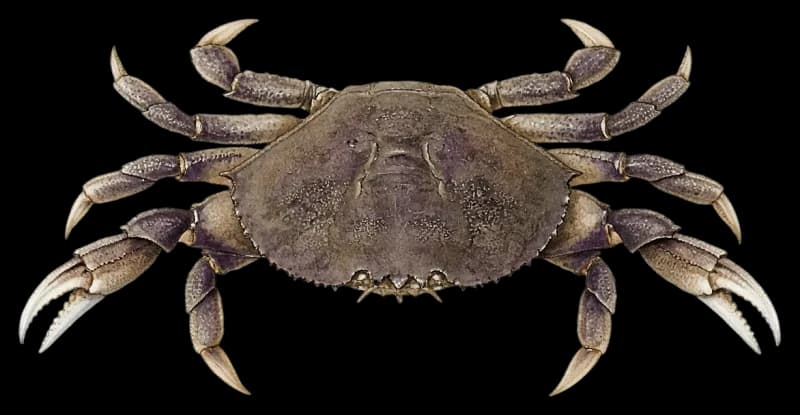
- Dungeness CrabKeep4 a day · min 16.5 cmOpen at all 6 spots we cover
- SurfperchKeep8 a dayOpen at all 9 spots we cover
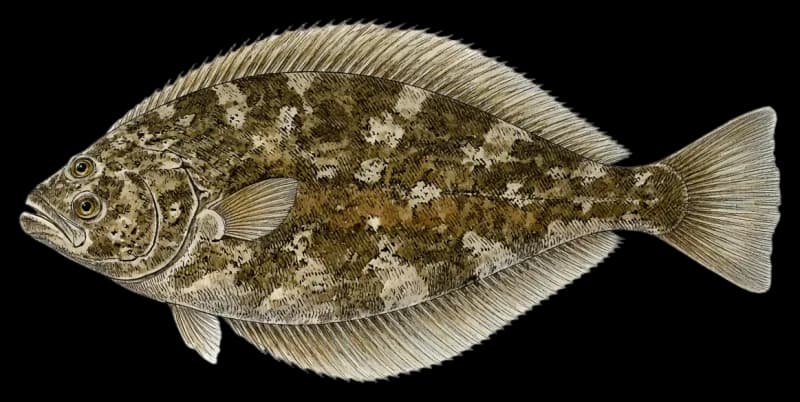
- Flounder / Sole (Flatfish)Keep8 a dayOpen at all 5 spots we cover
- HerringKeep20 a dayOpen at all 3 spots we cover
- Chum salmonKeep4 a day · min 30 cmOpen at all 4 spots we cover
Rules differ between PFMAs and change in season. Check DFO for the PFMA you are fishing before you keep anything.
What you can catch in Sooke
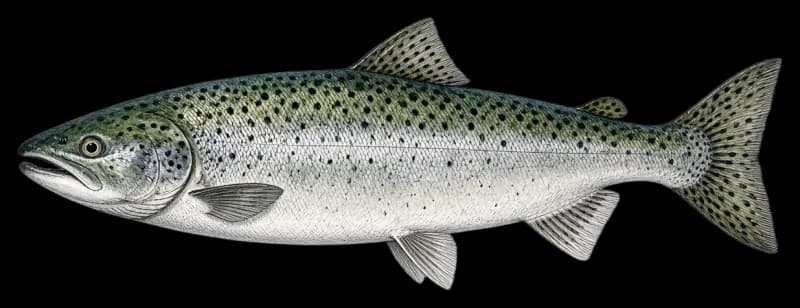
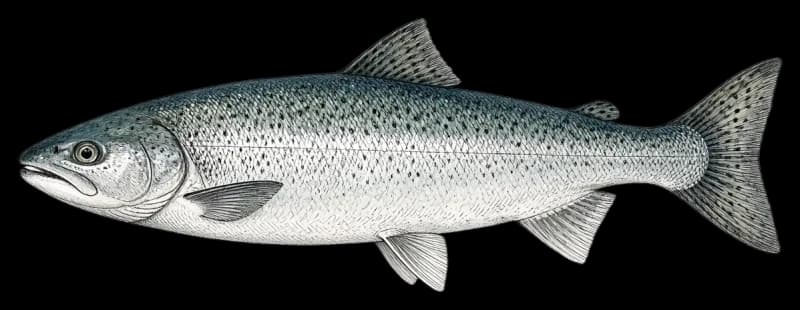
Coho Salmon
Open at all 29 spots- Peak season
- Peak Jun-Oct
- Methods described
- 3 methods
Chinook Salmon
Open at all 27 spots- Peak season
- Peak Jun-Aug
- Methods described
- 3 methods
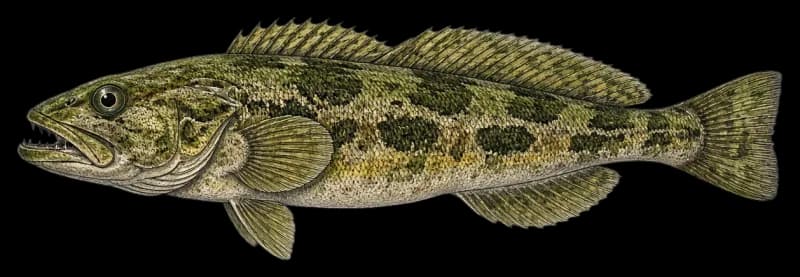
Lingcod
Open at 5 of 22- Peak season
- Peak Sep-May
- Methods described
- 3 methods
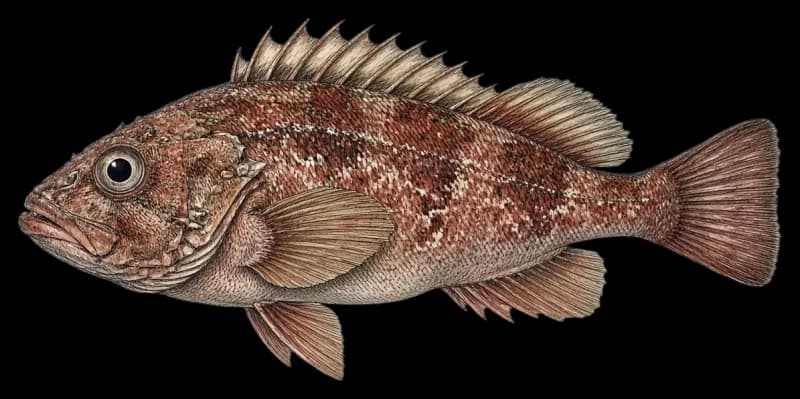
Rockfish (Aggregate)
Open at 4 of 20- Peak season
- Peak Mar-Oct
- Methods described
- 3 methods
Halibut
Open at all 17 spots- Peak season
- Peak Mar-Aug
- Methods described
- 3 methods
Dungeness Crab
Open at all 6 spots- Peak season
- Peak Mar-Jun, Sep-Nov
- Methods described
- 1 method
That was one day. Pro opens the next fourteen.
Every spot on this map, hour by hour, two weeks out, with alerts when your water crosses the score you set.
$0 today, then $33 CAD a year, which is $2.75 a month. Card required, cancel any time.
When to fish Sooke
Each row is shaded against that species' own best month here, so a dark cell means a good month for that fish rather than a comparison between them.
| Species | January | February | March | April | May | June | July | August | September | October | November | December |
|---|---|---|---|---|---|---|---|---|---|---|---|---|
| Chinook Salmon | ||||||||||||
| Coho Salmon | ||||||||||||
| Halibut | ||||||||||||
| Lingcod | ||||||||||||
| Rockfish (Aggregate) | ||||||||||||
| Dungeness Crab | ||||||||||||
| Surfperch | ||||||||||||
| Flounder / Sole (Flatfish) | ||||||||||||
| Herring | ||||||||||||
| Chum salmon |
Chinook Salmon: January fair, February fair, March good, April fair, May good, June peak, July peak, August excellent, September fair, October poor, November poor, December fair. Coho Salmon: January none, February none, March none, April poor, May fair, June peak, July peak, August peak, September peak, October good, November none, December none. Halibut: January none, February poor, March excellent, April peak, May peak, June peak, July peak, August peak, September fair, October poor, November none, December none. Lingcod: January good, February good, March good, April good, May fair, June fair, July fair, August fair, September fair, October fair, November good, December good. Rockfish (Aggregate): January fair, February fair, March fair, April good, May good, June good, July good, August good, September good, October fair, November fair, December fair. Dungeness Crab: January fair, February fair, March good, April good, May good, June good, July fair, August fair, September good, October good, November good, December fair. Surfperch: January fair, February fair, March fair, April good, May excellent, June good, July good, August good, September good, October fair, November fair, December fair. Flounder / Sole (Flatfish): January poor, February fair, March good, April good, May good, June excellent, July excellent, August excellent, September good, October fair, November fair, December poor. Herring: January excellent, February peak, March peak, April fair, May poor, June poor, July fair, August fair, September fair, October fair, November fair, December good. Chum salmon: January none, February none, March none, April none, May none, June none, July none, August good, September peak, October peak, November peak, December none.
- Chinook Salmon. Sooke shows a clear bimodal Chinook pattern: resident 'winter springs' feed through Jan–May with gradually building numbers, then the major migratory peak hits mid-July through August as Fraser, Columbia, and Puget Sound-bound stocks transit the Strait of Juan de Fuca past Otter Point and Sooke Bluffs. September sees rapid decline as fish push inside, with low resident-only abundance through late fall.
- Coho Salmon. Sooke sits on the migratory highway for Coho returning to Fraser, Puget Sound, and Vancouver Island rivers, with abundance building through summer as feeder/immature Coho stage off Otter Point and Sheringham, peaking late July through early September when mature returning fish stack up chasing needlefish and herring. Numbers drop sharply by late September as fish push into terminal areas and inlets, with only resident/feeder juveniles present through winter and spring.
- Halibut. Pacific halibut migrate inshore to Sooke's banks (Swiftsure, Constance) from offshore spawning grounds in late spring, peaking April–June as fish stage on shallow feeding grounds. A secondary summer plateau holds through August before fish gradually move offshore to deeper winter spawning depths through fall, leaving minimal biomass in nearshore waters December–March.
- Lingcod. Lingcod are resident year-round in Sooke's rocky structure off Otter Point, Secretary Island, and Race Rocks, so abundance never drops to zero. Two soft peaks occur: a spring spawning/nest-guarding aggregation (Mar–Apr) when males concentrate on shallow reefs, and a late-summer peak (Aug–Sep) when mature fish move shallower to feed heavily on herring and juvenile rockfish before the winter dispersal to deeper water.
- Rockfish (Aggregate). Rockfish are long-lived, non-migratory resident bottomfish that hold on the same rocky reefs and pinnacles around Sooke year-round, so biological abundance is essentially flat at baseline across all 52 weeks. Minor seasonal shifts (slight deep-water movement in cold months) are negligible for aggregate presence.
- Dungeness Crab. Dungeness crab are resident year-round in Sooke's waters, so abundance never drops to zero. Biomass peaks late summer through early fall (Aug–Sep) after the summer molt when hard-shell legal males are most abundant, with a softer low in late winter/early spring when many crabs are soft-shelled and less catchable but still biologically present.
- Surfperch. Surfperch (mainly redtail/pile perch) are resident year-round along Sooke's beaches and rocky shorelines, so abundance stays broadly near baseline. The strong spring peak (April–May) reflects fish massing in the shallows to give birth as they bear live young in warming nearshore water, with a modest late-summer/fall bump as juveniles recruit.
- Flounder / Sole (Flatfish). Flatfish are year-round residents on Sooke's sandy and mud flats, so abundance never drops to zero. Numbers build through spring as fish move inshore to warmer, food-rich shallows and peak mid-summer (July–early September) when juveniles recruit and adults concentrate on the flats; they gradually thin out and move to deeper water through fall and winter.
- Herring. Pacific herring around Sooke and the Strait of Juan de Fuca peak in late winter/early spring (Feb–Apr) as mature schools stage and spawn on nearshore vegetation, producing the strong March–April maximum. After spawning, adults disperse offshore leaving low but non-zero presence, with a modest late-summer/fall bump from juvenile and feeding aggregations before winter.
- Chum salmon. Sooke chum are absent through winter and spring while fish are in the open North Pacific. They begin staging off the Sooke/Otter Point area in mid-to-late September, peak through mid-to-late October as schools transit Juan de Fuca toward Fraser and local streams, then taper sharply through November as fish move into rivers to spawn.
Before you go
Water around Sooke falls into 5 areas, and the rules can differ between them. Fisheries and Oceans Canada sets them.
- 19-3
- 20-2
- 20-4
- 20-5
- 20-6
Tidal Waters Sport Fishing Licence
Fisheries and Oceans Canada · 2026-27
Annual, Canadian resident, 16 to 64: $25.86
Salmon Conservation Stamp $7.39, required to keep any salmon. Releasing does not need it.
This is the federal tidal licence. Fishing fresh water in BC needs a separate provincial licence, and one does not cover the other.
Fishing Sooke
Sooke sits on the north shore of the Strait of Juan de Fuca, where water moving in from the open Pacific runs hard along a steep, kelp-edged coast. The shoreline structure does the work here: Otter Point, the Sooke Bluffs, Secretary Island, Sheringham Point and the broken rock around Race Rocks all pin herring and needlefish against tide lines, and the salmon hold where the bait stacks. Offshore, the ground changes character entirely, with Constance Bank close in and Swiftsure well to the west offering the flat, deeper gravel and sand that halibut use. It is genuinely mixed water, so a single day can cover trolling for salmon on the tide line and jigging or anchored bait over reef.
Chinook are the backbone. Resident feeders hold through winter and early spring on local bait, then thin briefly in late spring before migratory fish bound for the Fraser, Puget Sound and Columbia push past through summer, with the strongest weeks in July and August. Coho build behind them, best from midsummer into September before autumn rain draws fish toward the Sooke River. Halibut move inshore onto the banks in spring and hold through summer. Lingcod and rockfish are resident on the rocky ground year-round, with lingcod concentrating shallow on the reefs around their late-winter and early-spring spawning. Chum arrive in the fall approaches, and Dungeness crab work the sand and eelgrass edges inside Sooke Harbour.
Plan around wind and tide rather than the clock. A westerly against an ebb turns the water off Otter Point short and steep in an hour, so most small boats fish early and come in by midday. Summer fog is common. Management subarea boundaries run through this water, so know which side of a line you are on.
Work Otter Point on the last of the ebb. The current sweeps bait along the bluffs and the springs hold tight to bottom, so run gear at 90 to 130 feet on the drop-off and drag a flasher and needlefish hootchie through the rip line. Get out early. The westerly usually fills in by midday and the strait turns ugly fast when wind fights an ebb. Coho ride higher, so stack a rod around 40 feet. For halibut, plan your Constance Bank drift around slack water.
Common questions about Sooke
›What is the best time of year to fish Sooke?
Mid summer is the high point, with Chinook peaking from June through August as migratory stocks bound for the Fraser, Columbia and Puget Sound transit the Strait of Juan de Fuca past Otter Point and the Sooke Bluffs. Coho overlap that window and hold strong from late June into September, and halibut are at their best from spring through August. Fall shifts the focus to chum staging off Sooke and the river mouths, while winter belongs to resident feeder Chinook and lingcod on the reefs.
›Can you fish Sooke in the winter?
Yes. Sooke holds Chinook in the water year round, and the cold months bring resident winter springs, or blackmouth, that concentrate on herring and needlefish close to local structure. Lingcod also fish well from late fall through early spring as adults move shallower on the rocky reefs to spawn and guard nests. Coho, chum and halibut are effectively absent in midwinter, so plan around Chinook and bottomfish.
›Where do Chinook and Coho hold around Sooke?
Both species use Sooke as a migratory highway through the Strait of Juan de Fuca, and fish stack where bait does. Otter Point and the Sooke Bluffs are the classic Chinook lines, with Sheringham holding staging Coho as summer builds. The key is finding concentrations of herring and needlefish, since the salmon follow the bait rather than the chart line.
›What techniques work best for salmon in Sooke?
Trolling is the backbone of the Sooke salmon fishery and covers water efficiently along the bluffs and points. Mooching and drift fishing come into their own when fish are stacked on a bait ball, and bucktailing is a productive surface approach for Coho during the late summer push. Live bait is worth carrying when the fish are keyed on herring.
›Do you need a boat to fish Sooke, or can you fish from shore?
Most of what Sooke is known for is boat water. Chinook and Coho are intercepted on the open Strait off points like Otter Point, and halibut and lingcod sit on offshore banks and rocky structure that shore anglers cannot reach. Shore and small boat opportunity is more limited and mostly comes in the fall, when chum stage in Sooke Harbour and around nearby river mouths.
›How do I target halibut and lingcod out of Sooke?
Halibut move inshore onto the banks, including Swiftsure and Constance, from spring through the summer, and anchor fishing with bait or working the bottom with heavy jigs are the standard approaches. Lingcod are resident year round on the rocky structure off Otter Point, Secretary Island and Race Rocks, and respond well to jigging over that structure. Bottomfishing here means fishing tide, so time your drifts and anchor sets around slack.
›What conditions should I watch before running out of Sooke?
Sooke fronts the open Strait of Juan de Fuca, which means exposed water, strong tidal current and wind that can build fast against an outgoing tide. The offshore banks and the rocky ground near Race Rocks demand particular respect, since current runs hard over structure and sea state can change quickly. Check the marine forecast and tide tables before you leave, and treat the run to the outside banks as a fair weather trip.